
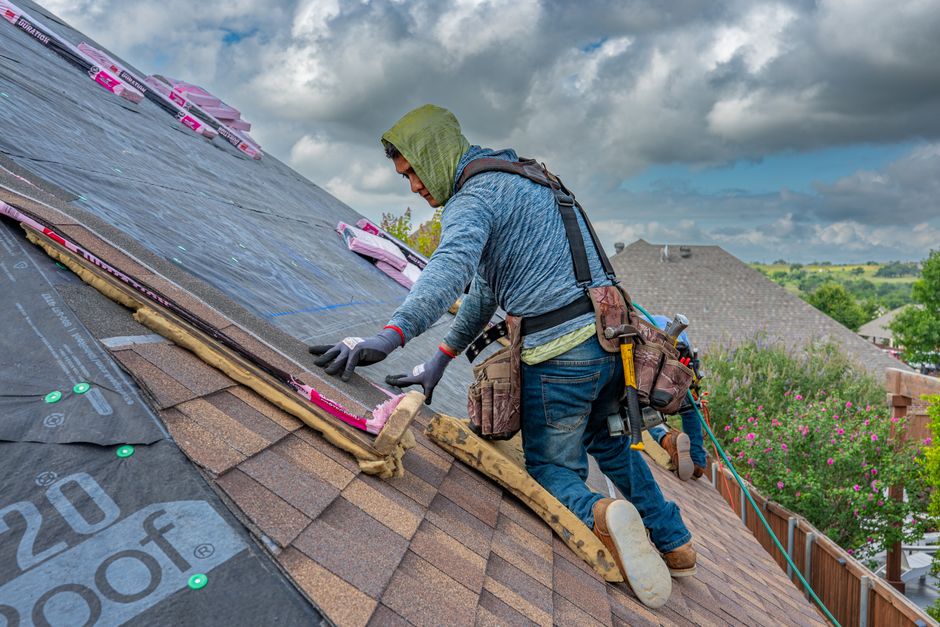
October is the best month to check your roof underlayment in Hesperia. After months of daytime highs often above 90°F and strong sun, underlayment can dry, crack, or pull away — which leads to leaks during the winter rains if you skip inspection.
Quick checklist: what to look for (DIY vs. pro)
- Interior attic stains and musty odor (DIY to spot, pro to fix) — Look for brown water stains on rafters or ceiling drywall and a damp, moldy smell. Stains that are new or spreading after summer heat suggest underlayment breakdown or failed flashing; a professional inspection with a moisture meter will confirm extent and source.
- Loose, cracked, or brittle under-tile material (Pro) — In desert-heat areas around Hesperia, tile underlayment can become brittle and tear. If tiles are slipping or you see degraded felt or synthetic underlayment when a tile is lifted, plan for a pro to trace the damage and replace the underlayment—partial fixes often miss hidden tears.
- Shingle granule loss and cupping (DIY inspect; pro repair) — Excessive granule loss or shingles that cup after hot summers indicate the shingle mat and adhesive have weakened. You can inspect from the ground with binoculars; if granules are concentrated in gutters or shingles show cupping more than 15–20% across a slope, bring in a contractor for a closer look.
- New mold, mildew, or algae in shaded valleys (DIY to spot, pro for removal) — Hot days and cool nights in our inland valleys create condensation in shaded roof valleys. Dark streaks or fuzzy growth can hide failing underlayment beneath. A cleaner may remove surface growth, but a pro should confirm the underlayment is still intact before investing in cosmetic cleaning.
- Missing or deteriorated flashing and sealant (Pro) — High heat shrinks caulk and can warp metal flashings around chimneys, vents, and skylights. Have a roofer inspect flashings and step seals every few years; replacing damaged flashing often requires short sections of underlayment replacement and proper sealing.
How hot summers in the Mojave foothills speed underlayment failure
Hesperia and nearby towns regularly see prolonged heat and intense UV exposure. Synthetic and felt underlayments expand, contract, and lose adhesive strength with repeated heat cycles. That movement opens seams and creates pathways for water when autumn storms arrive. Year after year, that heat cycling can shorten underlayment life compared with milder coastal climates.
Simple checks you can do this weekend
- Attic walk: check for fresh stains, damp insulation, or daylight through the roof sheathing — take photos. (DIY)
- Gutter sweep: look for excess shingle granules or sand-like debris after summer storms. (DIY)
- Valley peek: from a safe ladder, inspect roof valleys and flashing edges for cracked sealant or warped metal. If you're uncomfortable on a ladder, skip and call a pro. (DIY/pro)
- Tile check: tap a few tiles—hollow sound or visible cracks mean a pro should lift tiles and inspect underlayment. (DIY detect; pro inspect)
When to call Ocelot Roofing or another pro
Call a pro when you find active leaks, spreading attic stains, visible underlayment tears, or flashing failures. In Hesperia's climate, small tears can let in enough winter rain to cause rot within months. Ocelot Roofing offers free roof inspections and written, itemized estimates; owner Manny Torres personally oversees projects. For immediate scheduling call (866) 837-3311 or email service@verdehome.us during office hours, Mon–Fri 9am–6pm or Sat 9am–3pm.
If you do nothing else this month: schedule a free roof inspection that includes an attic check. It is the most reliable way to catch early underlayment failure before winter storms arrive.